



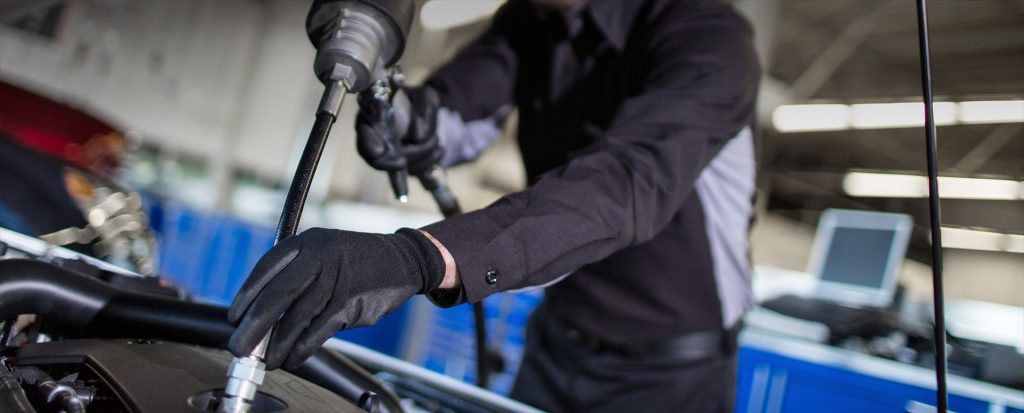
Keeping your Dodge or RAM vehicle running at its best starts with knowing when to bring it in for service. Whether you’re driving a RAM 1500 through daily commutes or hauling serious loads with a RAM 2500 or 3500, staying on top of routine maintenance protects your investment and keeps you safe on the road. Drivers in Bedford, OH, have access to a trusted CDJR service team ready to help at every stage of ownership.
Why Regular Maintenance Matters for Your Dodge or RAM Vehicle
Skipping scheduled service might seem harmless in the short term, but it can lead to bigger, costlier problems down the road. RAM trucks are built to handle demanding work, and that means their components — from the engine to the drivetrain — need consistent attention to perform as designed.
Staying current with your service schedule also helps preserve the value of your vehicle and supports any applicable warranty coverage. RAM offers a 10-Year/100,000-Mile Limited Powertrain Warranty on select 2026 models, and keeping up with maintenance is a key part of honoring that protection.
Oil Change Intervals for Your Dodge or RAM Vehicle
One of the most fundamental services for any vehicle is the oil change. For most modern Dodge and RAM vehicles, the general guideline is to change your oil every 5,000 to 7,500 miles when using conventional oil, or every 7,500 to 10,000 miles with full synthetic oil. However, your specific interval depends on your engine type, driving habits, and tow load frequency.
If you frequently tow heavy loads, drive in dusty conditions, or make a lot of short trips, you may need more frequent oil changes. Your vehicle’s oil life monitoring system is a helpful guide, but don’t ignore it when the alert appears.
Tire Rotation and Brake Inspection for Your Dodge or RAM Vehicle
Tire rotations should typically be performed every 5,000 to 7,500 miles, often aligned with your oil change schedule. For RAM trucks that carry heavy payloads or frequently tow, even tire wear is especially important for safety and handling.
Brake inspections should be completed at least once a year or anytime you notice changes in stopping performance, unusual noises, or a soft brake pedal. Given the size and weight of RAM trucks, well-maintained brakes are non-negotiable. CDJR service in Bedford, OH, makes it easy to get these checks done with trained technicians who know your vehicle inside and out.
Fluid Checks and Filter Replacements for Your Dodge or RAM Vehicle
Beyond engine oil, your Dodge or RAM vehicle relies on several other fluids and filters to operate properly. Transmission fluid, coolant, brake fluid, and power steering fluid all have recommended replacement intervals outlined in your owner’s manual.
Air filters typically need replacing every 15,000 to 30,000 miles, though dusty driving environments can shorten that window. Cabin air filters, which affect the air quality inside your vehicle, are often replaced on a similar schedule. Staying on top of these items keeps your truck breathing and shifting the way it should.
When to Schedule a Multipoint Inspection for Your Dodge or RAM Vehicle
Even if nothing feels obviously wrong, scheduling a comprehensive multipoint inspection at least once a year is a smart move. Technicians can catch wear on belts, hoses, suspension components, and other parts before they become roadside emergencies.
This is especially relevant for RAM trucks that see heavy-duty use, such as towing with a RAM 2500 equipped with the High-Output 6.7-liter Cummins Turbo Diesel I6 engine. CDJR service in Bedford, OH, offers the expertise to evaluate your truck’s full system and recommend the right service at the right time.
Keep Your Dodge or RAM Vehicle Running Its Best
Understanding when to service your Dodge or RAM vehicle is one of the simplest ways to protect your truck and extend its life. From oil changes and tire rotations to fluid checks and full inspections, each service appointment plays a role in keeping your vehicle dependable. Drivers throughout Bedford, OH, can count on a knowledgeable service team to keep their Dodge and RAM vehicles performing at their peak — mile after mile.
Connect with us


- July 2026
- June 2026
- May 2026
- April 2026
- March 2026
- February 2026
- July 2024
- May 2024
- March 2024
- February 2024
- January 2024
- December 2023
- November 2023
- October 2023
- September 2023
- August 2023
- May 2023
- April 2023
- March 2023
- January 2023
- December 2022
- November 2022
- July 2022
- December 2021
- November 2021
- September 2021
- August 2021
- July 2021
- April 2021
- January 2021
- December 2020
Archives
- 2026 Chrysler Pacifica
- 2026 Cleveland Auto Show
- 2026 Dodge Charger
- 2026 Jeep Wrangler
- 2026 RAM 1500
- 2026 RAM Heavy Duty Trucks
- Advanced Technology
- Bedford Chrysler Dealer
- Bedford Chrysler Service
- Bedford Dodge Dealer
- Bedford Used Cars
- Budget Vehicle Inventory
- CARFAX1 Owner Cars
- CDJR Dealer Bedford, OH
- Commercial Center in Bedford OH
- Commercial Center Near Cleveland
- Finance
- Green
- Jeep Compass
- Jeep Dealer Bedford, OH
- Jeep Dealer Near Cleveland
- Jeep Grand Cherokee
- Jeep Trail
- Ken Ganley CDJR Bedford Monthly Specials
- Ken Ganley Chrysler Dodge Jeep Ram Bedford Service
- Model Specs
- New Inventory
- News
- Off-Road Features in Jeep Vehicles
- People
- Pre-Owned Inventory
- Pre-Owned Vehicles
- RAM 2500
- RAM 3500
- RAM Dealer Akron
- RAM Dealer Bedford OH
- RAM Dealer Brunswick
- RAM Dealer Parma
- RAM Dealer Solon
- RAM ProMaster
- Ram Work Trucks
- Service Your Vehicle
- Social
- Trims and Features
- Uncategorized